

Satellite solar arrays are the primary power source for most spacecraft, especially in Earth orbit. Here’s a clear breakdown of how they operate:
1. Energy Capture
- Solar panels on satellites are made of photovoltaic (PV) cells, usually from silicon or more efficient multi-junction gallium arsenide cells.
- When sunlight hits these cells, photons knock electrons loose, generating an electric current (the photovoltaic effect).
- The raw electrical output is direct current (DC).
2. Power Conditioning & Regulation
- The DC power is sent to a power conditioning and distribution unit (PCDU).
- This unit regulates voltage, prevents overcharging, and distributes power to onboard systems.
- Excess power during sunlight periods is stored in rechargeable batteries (often lithium-ion or nickel-hydrogen).
3. Battery Storage & Eclipse Operation
- Satellites orbit Earth and pass into eclipse (Earth’s shadow), where no sunlight reaches the panels.
- During these eclipse periods, the satellite runs entirely on its batteries, which were charged during sunlight exposure.
- Once the satellite exits eclipse, solar arrays recharge the batteries again.
4. Array Deployment & Orientation
- Solar arrays are usually stowed compactly during launch.
- After deployment in orbit, they unfold or unfurl (using hinges, booms, or roll-out mechanisms).
- Many satellites use sun-tracking mechanisms so the arrays continuously rotate to face the Sun for maximum efficiency.
5. Thermal & Radiation Considerations
- Solar panels operate in extreme conditions:
- Hot side facing the Sun
- Cold side facing deep space
- Radiation gradually degrades solar cell efficiency, so arrays are designed with margins to ensure enough power throughout the mission life.
6. End-of-Life & Redundancy
- Over years, solar arrays lose efficiency (1–2% per year depending on orbit and radiation exposure).
- Satellites are designed with oversized solar arrays to account for this degradation and still meet minimum power requirements at end-of-life.
In Conclusion
Satellite solar arrays convert sunlight into electricity, regulate and store it in batteries, and ensure continuous power to spacecraft systems, whether in sunlight or shadow.
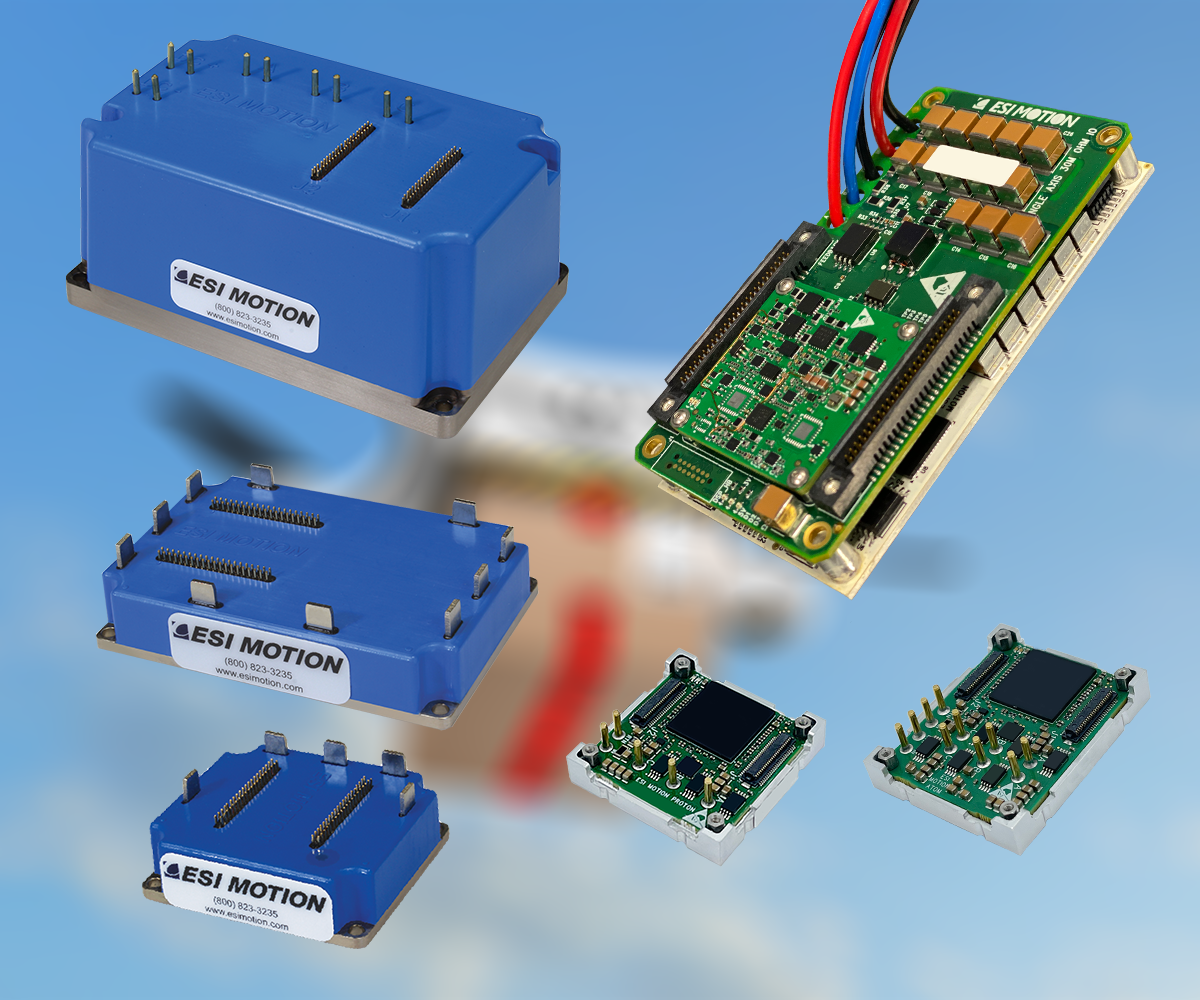
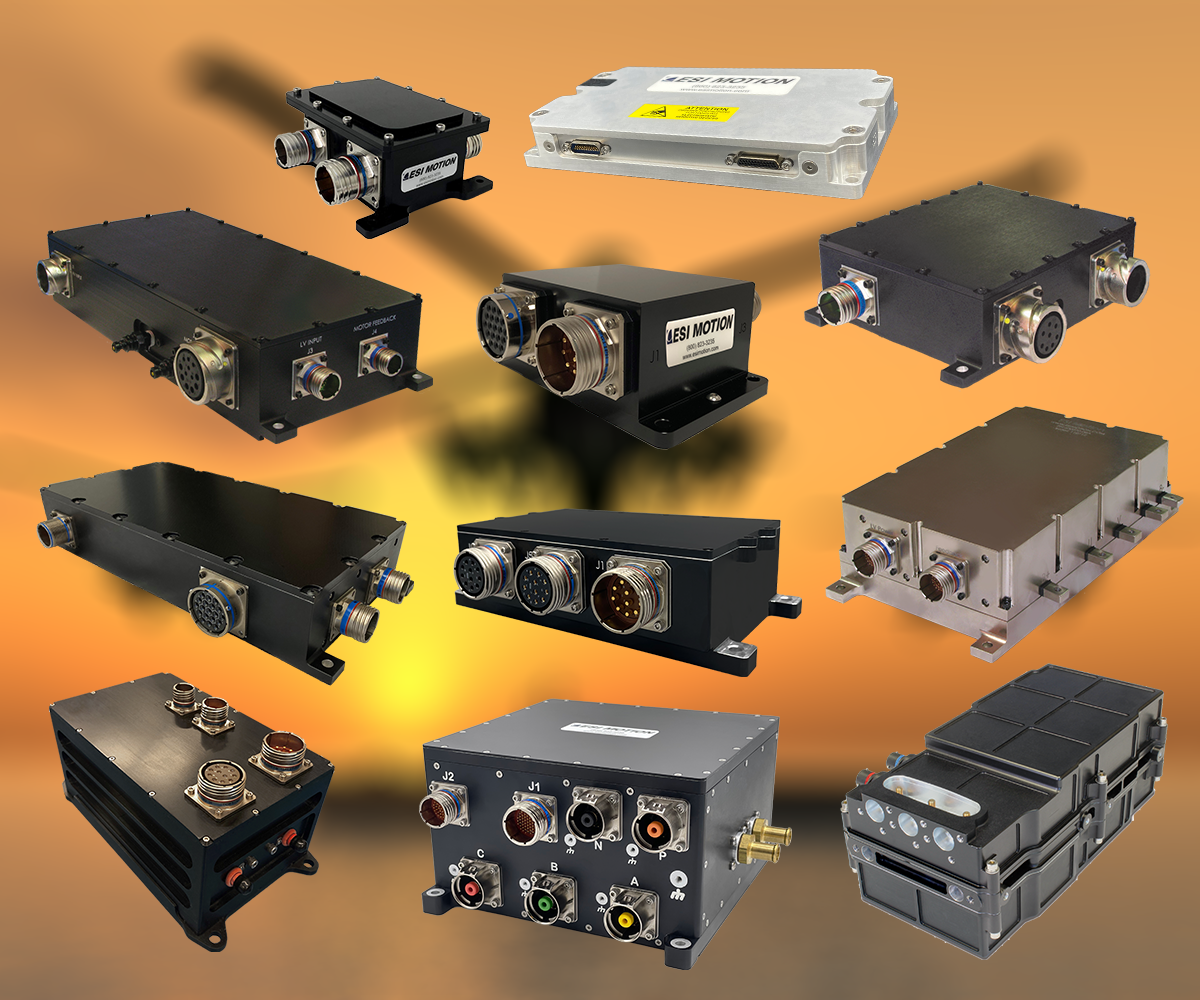
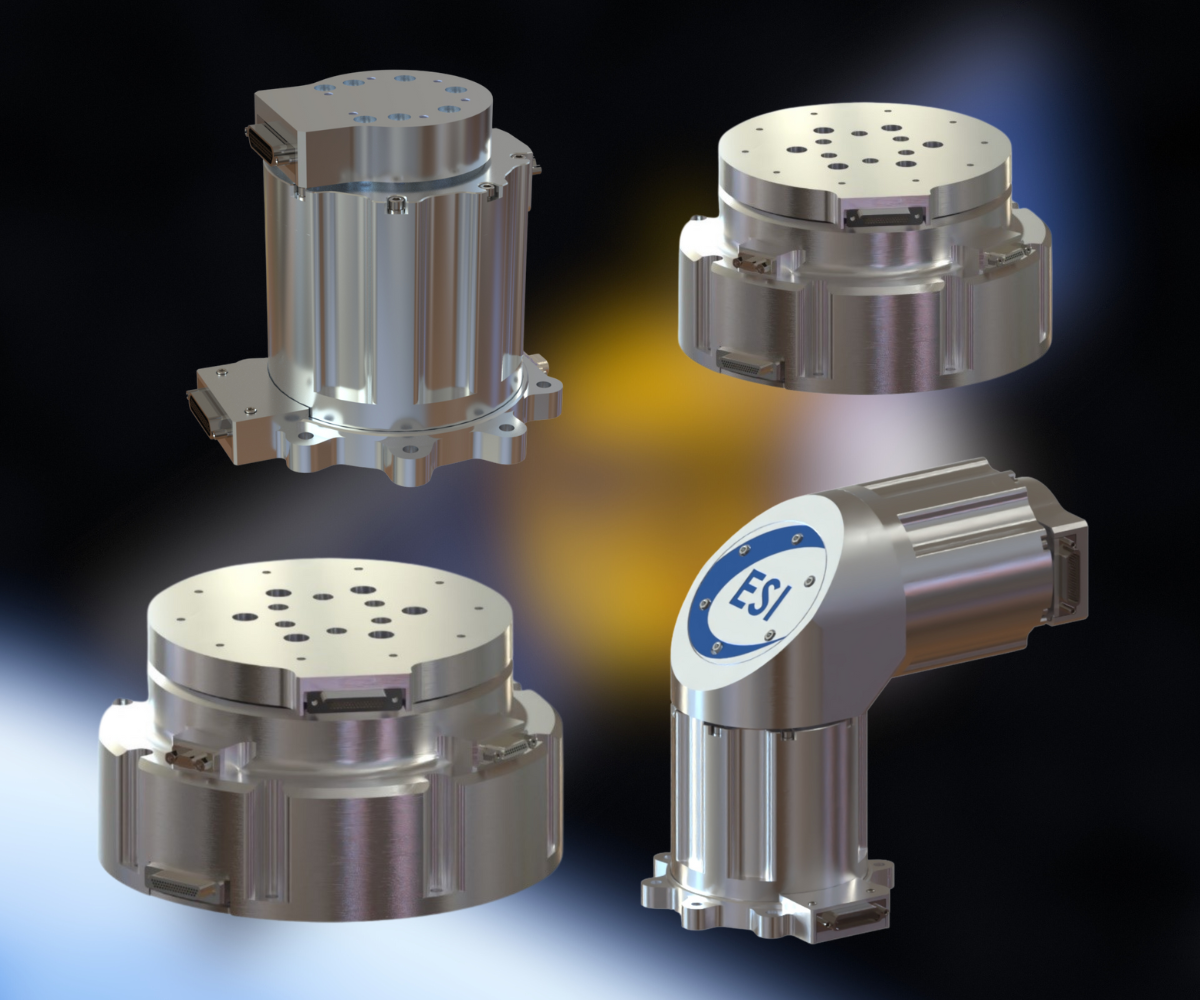
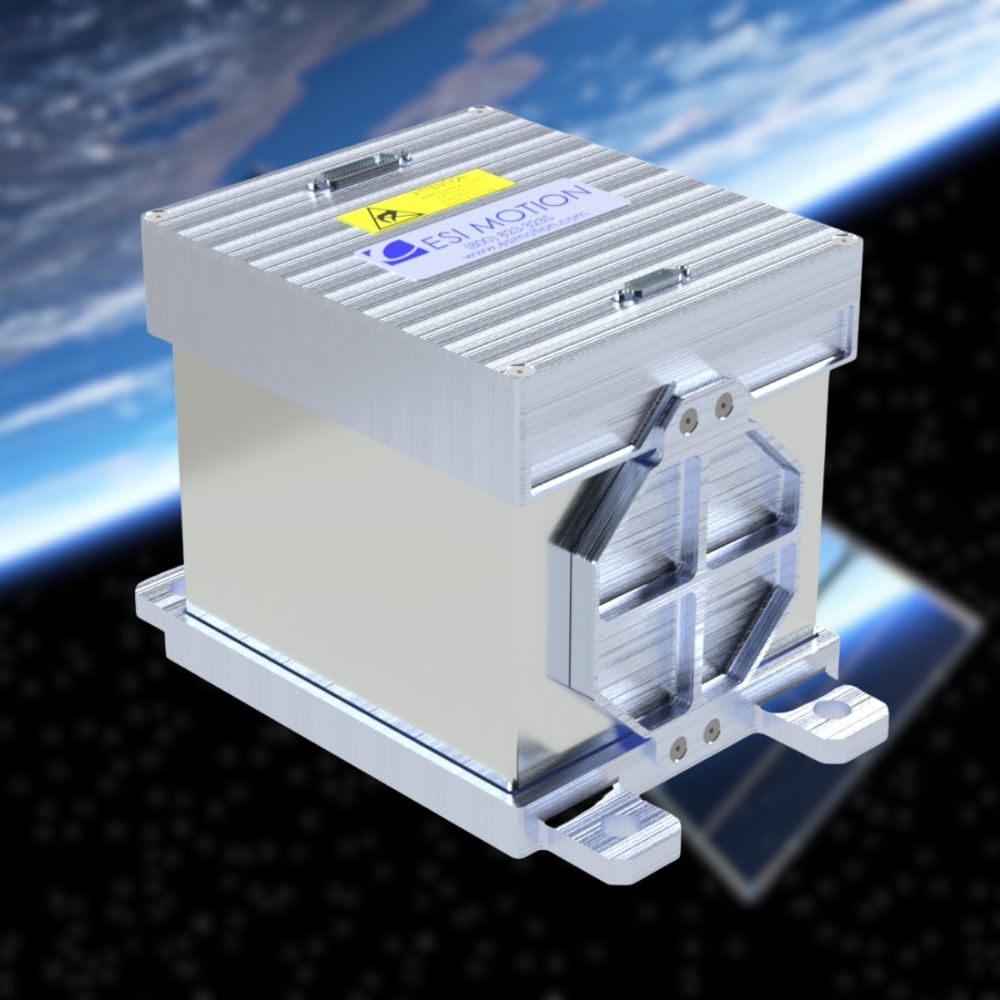
To make sure a satellite's solar arrays are performing to mission standards, the subsystems, especially the solar array drive assemblies and their motor controllers, need to be as operating with reliability and precision.
ESI Motion has experience with both SADAs and servo controllers necessary for a successful space application. As an industry leader, ESI Motion possesses the know-how, experience, and support to help you achieve your mission goals while ensuring optimal performance and longevity for your equipment. We offer many solutions based on your needs, and timeline with Commercial Off-The-Shelf, Modified and Full Customization Space-Rated Systems!
Contact ESI Motion by calling +1.800.823.3235 or email us at sales@esimotion.com. If you need any technical support, our team is here to help.
Click Here to see more of our solutions.