

1. Satellite attitude and orbit control
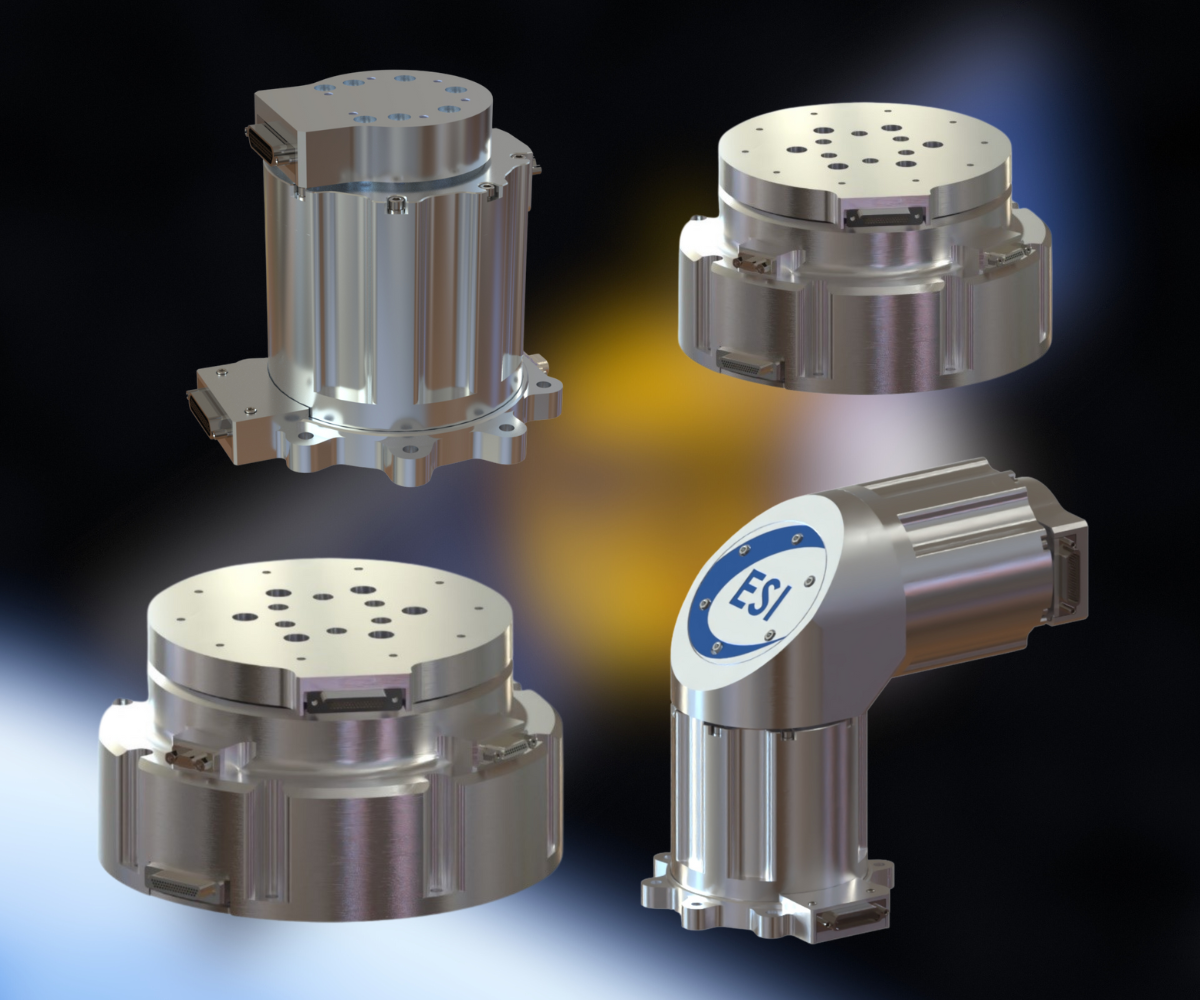
- Reaction wheels, control moment gyros, and emerging reaction spheres generate torques to point the spacecraft and keep it stable for imaging, communication, and power generation.
- Small actuators also drive valves and mechanisms in thruster systems for orbit correction and station-keeping.
2. Deployable solar arrays
- Linear actuators release, unfold, and lock solar panels after launch, then trim their angle to track the Sun and maximize power.
- These mechanisms must survive launch loads, then work reliably in vacuum and extreme thermal cycling over many years.
3. Antenna pointing and RF mechanisms
- Actuators steer high‑gain antennas so links stay locked on Earth or other spacecraft, and can re-point for different ground stations or relay targets.
- They also move RF switches and waveguide components in reconfigurable communication payloads.
4. Hold‑down, release, and separation
- Release actuators (pyro, pneumatic, or electric) restrain structures during launch, then free solar arrays, antennas, booms, and instrument doors on command.
- More advanced “smart” separation actuators can tailor force and timing based on vehicle state to improve deployment accuracy and reduce shock.
5. Space robotics and manipulators
- Robotic arms on stations and servicing vehicles use many joints driven by actuators for berthing, grappling, tool use, and external maintenance (e.g., ISS Canadarm2‑class systems).
- Smaller actuators power end‑effectors, tools, and inspection devices that interact with payloads, covers, and connectors in microgravity.
6. Planetary rovers and landers
- Actuators drive rover wheels, steering joints, suspension mechanisms, and robotic arms used for sampling and instrument placement on Mars, the Moon, and asteroids.
- They operate in dust, radiation, and extreme temperature swings while still providing precise motion for science operations.
7. Instrument pointing and scanning
- Fine actuators position and scan optical, infrared, radar, and lidar instruments, including gimbals and scanning mirrors for mapping and targeting.
- They also move shutters, filter wheels, and apertures to configure instruments for different observation modes.
8. Space telescope alignment and focus
- High‑precision piezo and stepper actuators trim mirror segments and optical benches to maintain wavefront quality and focus over time.
- These systems enable micro‑ or nano‑rad pointing and micrometer‑scale alignment adjustments for next‑generation observatories.
9. Docking, berthing, and payload handling
- Actuators drive docking rings, latches, and alignment guides that bring visiting vehicles and modules into hard‑dock safely.
- Inside and outside, they move payload carriers, experiment racks, and cargo handling systems for precise placement and release.
10. Future in‑space construction and habitats
- Concept and early‑stage systems rely on actuators for autonomous assembly of trusses, reflectors, and habitat modules in orbit or on the Moon/Mars.
- They will also power construction equipment, doors, hatches, and life‑support related mechanisms in long‑duration surface bases.
In Conclusion
Across every mission phase—from launch restraint and on-orbit deployment to precision science and future space construction—actuators are the quiet enablers that turn spacecraft capability into controlled motion. They provide the torque, positioning accuracy, and long-life reliability required to point, deploy, steer, align, dock, manipulate, and build in some of the harshest environments ever engineered for. As missions demand higher precision, greater autonomy, and longer service lives, advances in actuator performance, efficiency, and intelligence will remain foundational to mission success—powering the next generation of satellites, observatories, robotic explorers, and human habitats beyond Earth.
As an industry leader, ESI Motion possesses the know-how, experience, and support to help you achieve your mission goals while ensuring optimal performance and longevity for your equipment. We offer many solutions based on your needs, and timeline with Commercial Off-The-Shelf, Modified and Full Customization Space-Rated Systems!
Contact ESI Motion by calling +1.800.823.3235 or email us at sales@esimotion.com. If you need any technical support, our team is here to help.