

Modern naval vessels are among the most technologically advanced machines ever built. From propulsion and steering to weapons handling and radar positioning, nearly every critical shipboard function depends on electric motors operating reliably in some of the world’s harshest environments.
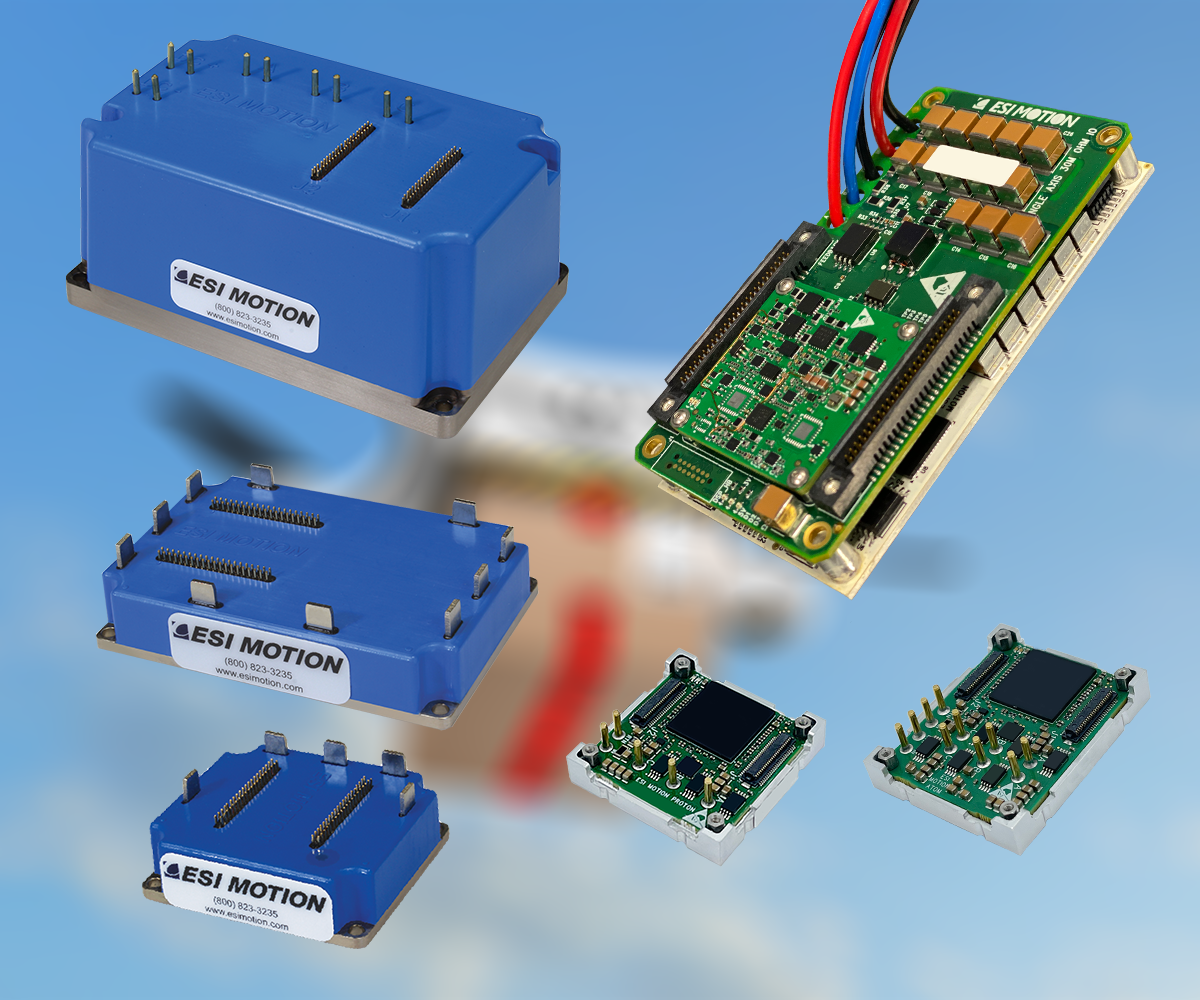
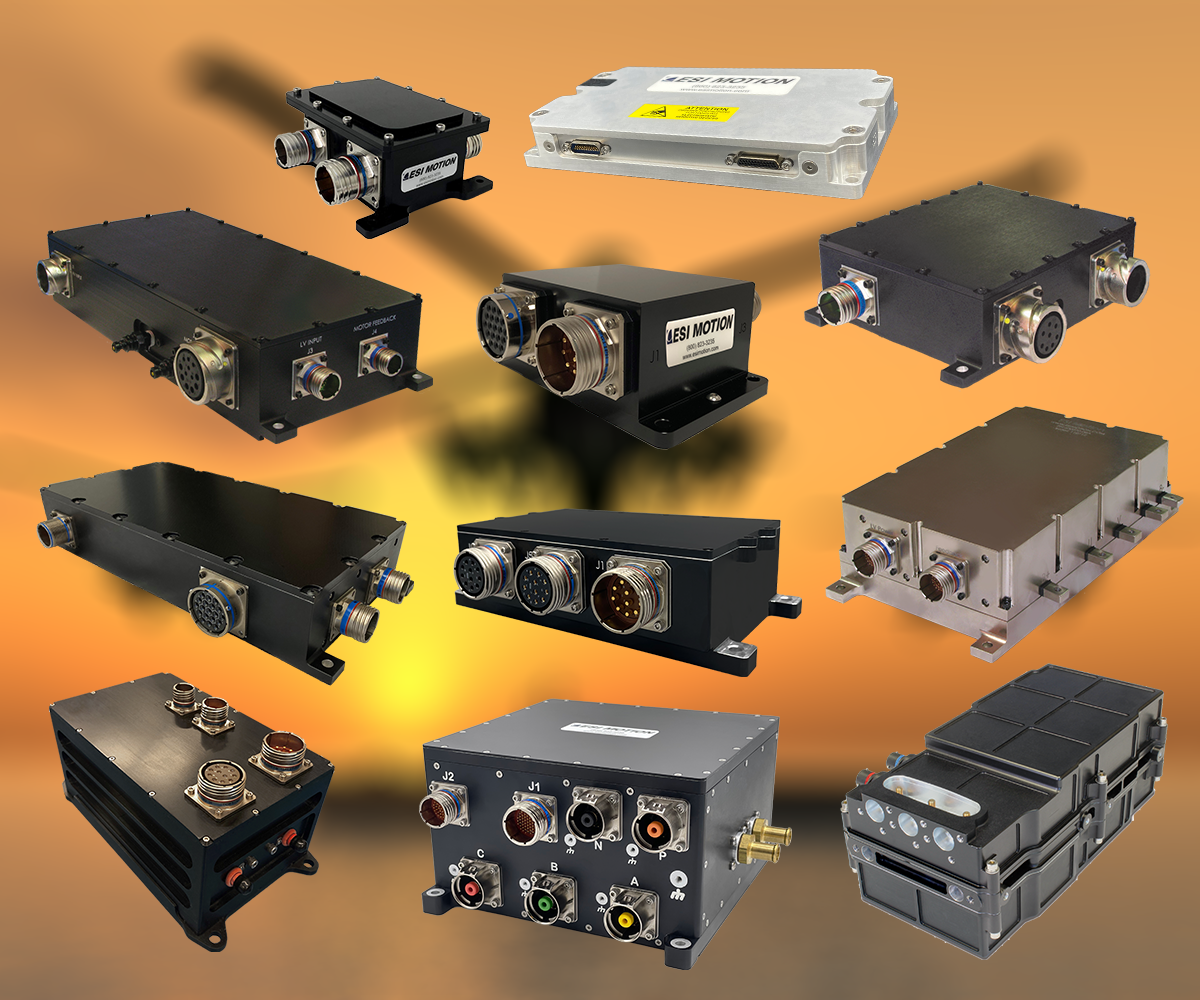
At the heart of these systems are motor controllers. These controllers regulate motor speed, torque, direction, and protection. As different navies worldwide adopt more electric and digitally controlled platforms, motor controllers have become essential components for improving efficiency, reliability, and mission readiness.
Here is a list of the top 10 applications for motor controllers in naval systems.
1. Electric Propulsion Systems
One of the most significant advancements in naval engineering is the shift toward Integrated Electric Propulsion (IEP) and hybrid-electric propulsion systems.
Motor controllers regulate large propulsion motors that drive ship propellers, enabling:
· Precise speed control
· Improved fuel efficiency
· Reduced acoustic signatures
· Enhanced maneuverability
These systems are increasingly found in destroyers, frigates, submarines, and future combat vessels.
2. Bow and Stern Thrusters
Thrusters provide critical maneuvering capability during docking, station keeping, and operations in confined waters.
Motor controllers enable:
· Smooth acceleration and deceleration
· Precise thrust output
· Dynamic positioning support
· Reduced mechanical stress
This level of control is particularly important for amphibious ships, support vessels, and autonomous naval platforms.
3. Shipboard Pumping Systems
Pumps are among the most heavily utilized motor-driven systems aboard naval vessels.
Applications include:
· Ballast control
· Firefighting systems
· Fuel transfer
· Cooling water circulation
· Hydraulic systems
Motor controllers optimize pump performance while reducing energy consumption and maintenance requirements.
4. HVAC and Ventilation Systems
Crew comfort and equipment reliability depend on effective climate control.
Motor controllers regulate:
· Ventilation fans
· Air handling units
· Cooling blowers
· Environmental control systems
Variable-speed operation improves efficiency while maintaining stable operating conditions for mission-critical electronics.
5. Weapons Handling and Magazine Systems
Modern warships require highly reliable ammunition and missile handling systems.
Motor controllers support:
· Missile elevators
· Ammunition hoists
· Loading mechanisms
· Automated magazine systems
Precise motion control helps ensure safe and dependable weapons deployment during combat operations.
6. Radar and Antenna Positioning Systems
Advanced radar, communications, and surveillance systems require accurate positioning and tracking.
Motor controllers provide:
· High-precision rotational control
· Smooth tracking of targets
· Stabilization in rough seas
· Reduced positioning errors
These capabilities directly impact situational awareness and combat effectiveness.
7. Steering and Rudder Control Systems
Reliable steering is essential for both navigation and tactical maneuvering.
Motor controllers are used in:
· Electro-hydraulic steering systems
· Electric rudder actuators
· Autonomous vessel steering systems
The result is responsive vessel handling under all operating conditions.
8. Aircraft Elevators and Flight Deck Equipment
Aircraft carriers and amphibious assault ships depend on numerous motor-driven systems.
Applications include:
· Aircraft elevators
· Hangar doors
· Weapons elevators
· Flight deck support equipment
Motor controllers ensure safe operation while managing heavy loads with precision.
9. Winches, Cranes, and Mooring Equipment
Naval operations frequently require controlled lifting and pulling systems.
Motor controllers are used in:
· Anchor windlasses
· Replenishment-at-sea equipment
· Cargo handling cranes
· Towing winches
· Mooring systems
Variable-speed control improves safety and operational efficiency during critical shipboard operations.
10. Advanced Combat Power Systems
As naval vessels integrate high-energy technologies, motor controllers are finding new applications in advanced power architectures.
Emerging systems include:
· Directed-energy weapons
· Electromagnetic launch systems
· Energy storage integration
· High-power radar platforms
These applications require highly sophisticated power conversion and motor control technologies capable of operating under demanding military standards.
Why Naval Motor Controllers Are Different
Unlike commercial motor controllers, naval-grade solutions must withstand extreme operating conditions, including:
· Shock from nearby explosions
· Continuous vibration
· Saltwater corrosion
· Electromagnetic interference (EMI)
· Wide temperature ranges
· Stringent reliability requirements
The Future of Naval Electrification
The global trend toward electrification is transforming naval ship design. Integrated power systems, autonomous vessels, hybrid propulsion, and advanced weapon technologies are driving demand for smarter, more efficient motor control solutions.
As navies continue to modernize their fleets, motor controllers will play an increasingly strategic role in improving vessel performance, reducing operating costs, and supporting next-generation mission capabilities.
Final Thoughts
Motor controllers may not be the most visible components aboard a naval vessel, but they are among the most critical. From propulsion and steering to weapons handling and advanced combat systems, these devices provide the precision, reliability, and efficiency required for modern naval operations.
As electric technologies continue to reshape maritime defense, motor controllers will remain a foundational technology powering the Navy of the future. As an industry leader of motor controllers, ESI Motion possesses the know-how, experience, and support to help you achieve your mission goals while ensuring optimal performance and longevity for your equipment. We offer many solutions based on your needs, and timeline with Commercial Off-The-Shelf, Modified and Full Customization Naval-Ready Systems!
Contact ESI Motion by calling +1.800.823.3235 or email us at sales@esimotion.com. If you need any technical support, our team is here to help.